

Understanding Your Current Financial Position
Start here if you’re not sure where you stand. We’ll walk through assessing your current financial situation with clarity and without judgment.
Most budgets fail because they’re too rigid. We’ll show you how to create one that’s flexible enough for real life while keeping you on track.

Here’s the thing about budgets — most people approach them like diets. You get motivated, create strict rules, and follow them perfectly for about three weeks. Then life happens. An unexpected meal out. A work trip. Something breaks. And suddenly your budget feels impossible to stick to, so you abandon it completely.
But it doesn’t have to be that way. A budget isn’t about restriction. It’s about clarity. When you understand where your money goes, you can make better decisions about where you want it to go. You’ll have more control, less stress, and actually achieve the financial goals that matter to you.
Before you create a budget, you need to understand your actual spending. Not what you think you spend. Not what you wish you spent. What you actually spend.
Pull three months of bank and credit card statements. Yes, really. Then categorize every transaction. You’ll see patterns you didn’t notice — the coffee runs that add up to $80 a month, the subscriptions you forgot about, the pattern of Friday takeout that happens every single week.
This isn’t about judgment. It’s about awareness. Most people are surprised when they actually look. Once you see it clearly, you can decide what stays and what goes. That’s where the real control starts.


You’ve probably heard of the 50/30/20 rule. It’s simple: 50% of your income goes to needs, 30% to wants, 20% to savings and debt repayment. It’s a solid starting point, but here’s what matters — it’s not gospel. Your numbers might be 55/25/20 or 45/35/20. That’s fine.
The point isn’t hitting exact percentages. The point is having a structure that’s reasonable for your life. If you’re in Hong Kong with high rent, maybe needs take 60%. If you’re focused on clearing debt, maybe savings gets 15% for now. Build a framework that actually works for your situation, not one you think you should follow.
Educational Information
This article provides general financial education and budgeting guidance. It isn’t personalized financial advice. Everyone’s financial situation is different — what works for one person might not work for another. If you need advice tailored to your specific circumstances, consider speaking with a qualified financial advisor who understands your complete financial picture.
This is where most budgets fail. They’re too rigid. You allocate $200 for groceries, and if you spend $210, you feel like you’ve failed. That’s not sustainable. Instead, build buffers.
Create a “miscellaneous” or “flex” category with 5-10% of your monthly budget. This is for the unexpected. A friend’s birthday dinner. A slightly higher electricity bill. Your nephew’s school uniform. When you have room for these things, you won’t feel like you’re constantly breaking your budget.
Also track your spending by week or every two weeks, not just at month’s end. If you notice you’re on track halfway through the month, you know you’ve got room for that weekend activity. If you’re already over, you can adjust the next two weeks. Real-time awareness beats monthly shock.
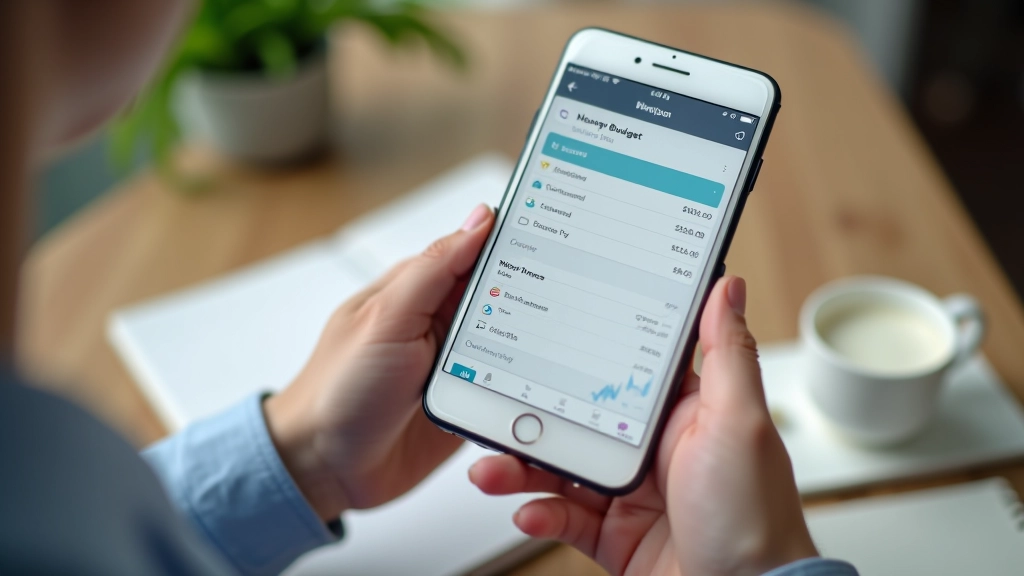
You’ve got options here, and honestly, the best method is the one you’ll stick with.
Complete control, can customize categories however you want. Requires discipline to update it regularly. Works well if you like numbers and details.
Automatic tracking from your bank account, real-time updates, visual charts. Less manual work. Requires sharing bank access with the app company.
Physical envelopes or digital “envelopes” for each category. Extremely visual, hard to overspend. Takes more planning and isn’t practical for online purchases.
Combination of methods — maybe app for daily tracking plus monthly spreadsheet review. Gives you both convenience and detailed analysis.

A budget isn’t meant to make you feel restricted. It’s meant to give you freedom. Freedom to spend money on the things that actually matter to you without guilt. Freedom to say no to things that don’t. Freedom to reach your financial goals instead of just wondering where all your money went.
Start with your actual spending, build a realistic framework, add flexibility, and pick a tracking method that works for you. Your budget will be one that you’ll actually stick with. And that’s when real progress happens.